

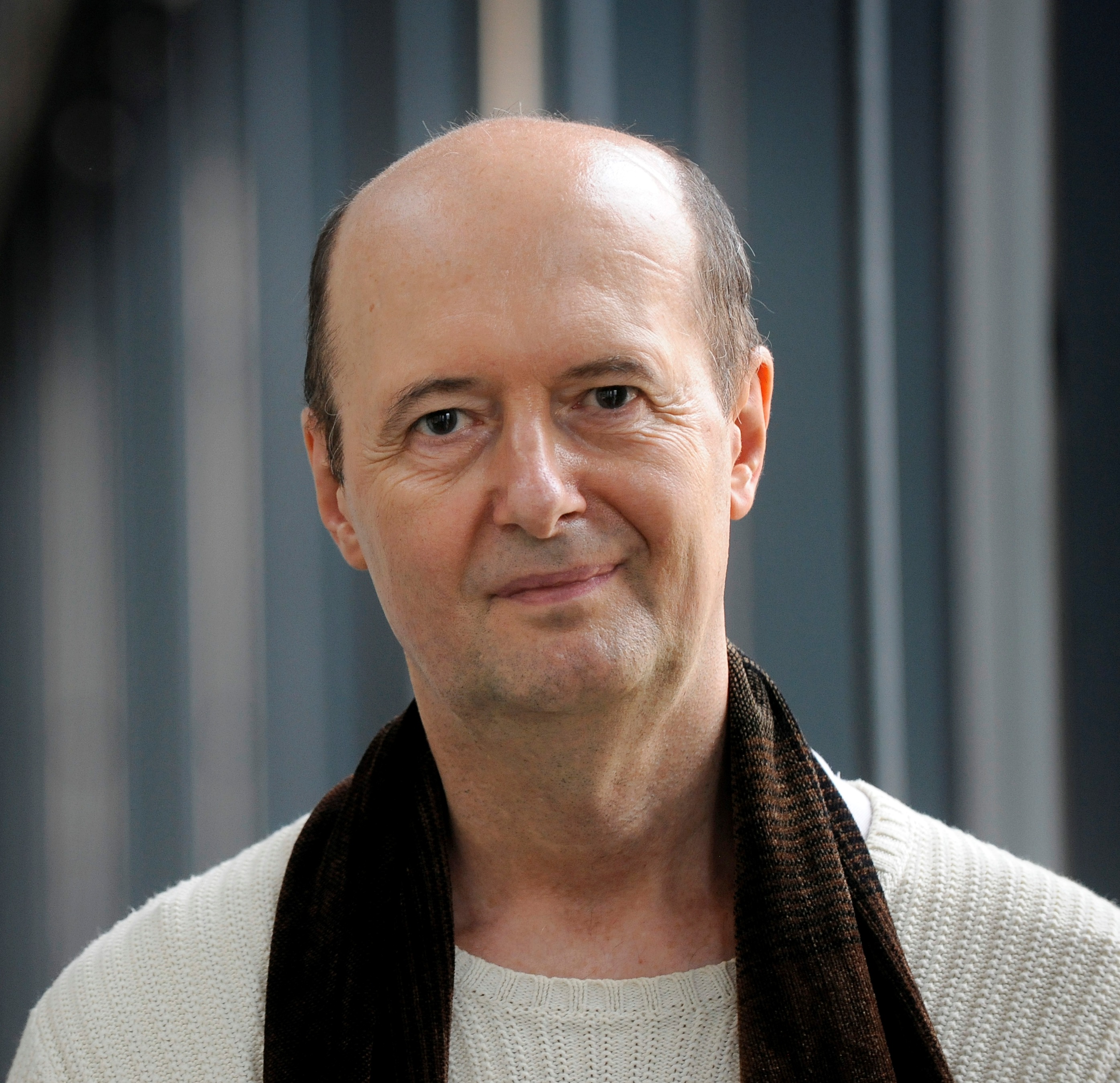
Péter Csermely
As an ordinary biochemist, I have started to recognize the strength of the network approach only in 2002. This was the time, when I became increasingly aware of the need for a novel concept to analyze the massively growing set of genomics and proteomics data, and I recognized the special role of my original subject, molecular chaperones in the organization of the whole cell. Chaperones are typical weak linkers providing a large number of promiscuous contacts to stabilize network structures both at the level of individual proteins and cellular networks. In 2005 and 2006 we recognized that weak links have a wastly different meaning, if they are intra-modular or inter-modular structures. During these studies we were able to identify a special set of network elements, called VIP-elements or creative elements. Currently I am working on the role of weak links in the interaction scenarios (dynamic equilibria, games) between network partners.
- European Union (TAMOP-4.2.2/B-10/1-2010-0013) Magister talent development program. 40000 EUR/year, 2011-2012.
- Joint Research Center Program (Ministry of Economy – Hungary; KKK-0015/3.0). Development of a human biotechnological center. 50,000 EUR/year. 2005-2007. Participant
- Hungarian Research and Development Program (NFKP 1A/056/2004). Development of hepato- and dermato-protective compounds. 100,000 EUR/year. 2005-2007. Participant
- EU 6th Framework programme (FP6-518230) PROTEOMAGE, 2006-2008, 78000 EUR/year, Participant.
- COST (ERBCIPDCT 930188). Inhibition of nuclear oncogene activity by cellular and viral proteins. 14.000 ECU. 1994-1996. Central-European participant of the network.
- COST (ERBCIPDCT 940604). Protein folding and stability. 32.000 ECU. 1995-1996. Central-European participant of the network.
- PHARE TDQM Programme Project 2 (HU-9305-02/1030). Participation in EU programme COST B5. 50000 ECU. 1996-1997. principal investigator.
- Semmelweis University. Molecular heterogeneity of the gp96 tumor antigen and its autoantibodies. 8000 ECU. 1996. principal investigator.
- Howard Hughes International Research Award (HHMI 75195-541701). Biochemical mechanisms of molecular chaperone functions in health and in diabetes. 32000 USD/year. 1995-2000. principal investigator
- Volkswagen Foundation (I/73612). Role of molecular chaperones in T lymphocyte activation. 20000 DM/year. 1998-2000. principal investigator
- ICGEB-UNIDO (CRP/HUN 95-02, 99-02) Interactions of molecular chaperones with RNA and DNA. 20,000 USD/year. 1996-2002. Extension pending. principal investigator
- Ministry of Health, Hungary ETT 202/90; 681/93;493/96, 21/00, 32/03) The role of chaperone overload in the development of polygenic diseases such as cancer and diabetes. 5000 EUR/year. 1991-2005. principal investigator

Contents:
Contents (full CV)
- Personal
- Education
- Research and Professional Experience
- Comissions and Boards
- Honors and Awards
- Current Research Support
- Publications

Questions | Address | Design and maintenance | Visitors since 7th July 2004: